
What Should I Consider When Choosing a Fence Company?
Property boundaries require clear definition for aesthetic and functional purposes. Erecting a sturdy barrier around a perimeter enhances privacy, secures pets, and elevates curb appeal. The decision to construct such a feature involves a vast financial commitment and permanent alterations to the landscape. Property owners face the task of navigating diverse options to ensure the final product meets expectations.
Selecting an appropriate contractor dictates the success of the installation. According to IBISWorld, the fence construction industry market size in the U.S. is $20.4 billion in 2026. This vast economic scale indicates a crowded marketplace. Identifying a reliable fence company requires careful deliberation over critical elements to guarantee long-term satisfaction and structural integrity.
Evaluating Local Experience and Regional Capability
Regional familiarity plays a vital role in proper boundary construction. Contractors accustomed to local weather patterns understand which materials withstand high humidity, freezing temperatures, or intense sun exposure. Soil conditions vary by region, affecting post depth and concrete setting requirements. Professionals with neighborhood experience anticipate geological challenges prior to breaking ground, preventing structural failure during severe weather.
Longevity in a specific area serves as an indicator of business stability. A fence company maintaining operations for several seasons demonstrates an ability to complete projects and satisfy clients regularly. Established contractors maintain physical offices and verifiable local connections. Community ties bind these businesses to a standard of excellence, as reputation dictates future success.
Navigating municipal codes and homeowner association rules presents an additional hurdle. Neighborhood guidelines dictate height restrictions, color choices, and approved materials. Experienced professionals handle permit acquisitions and communicate with utility marking services to prevent underground pipe damage. A seasoned builder assumes responsibility for regulatory compliance, shielding the property owner from disputes with local governing bodies.
Checking references provides insight into contractor reliability. Prospective clients must examine past work portfolios and speak with previous customers to gauge satisfaction levels. Online reviews offer supplementary perspectives on punctuality, professionalism, and site cleanup habits. Taking time to verify past performance paints a clear picture of what the client might expect during the impending project.
Assessing Material Quality and Construction Techniques
The raw materials utilized determine the lifespan of the enclosure. Wood requires specific treatments to resist rot and insect infestation. Metal options demand thorough powder coating to prevent rust accumulation. Vinyl products must incorporate ultraviolet inhibitors to avoid discoloration. Superior materials cost more upfront but prevent recurrent replacements. Educated consumers scrutinize material specifications rather than accepting generic product descriptions.
Sourcing practices separate mediocre contractors from elite builders. An exceptional fence company partners with premium manufacturers rather than purchasing discounted supplies from big-box retailers. High-grade lumber features fewer knots and straighter grains, preventing future warping. Commercial-grade aluminum boasts thicker walls, providing enhanced resistance to bending. Dedicated procurement channels ensure the raw materials match the rigorous demands of outdoor environments.
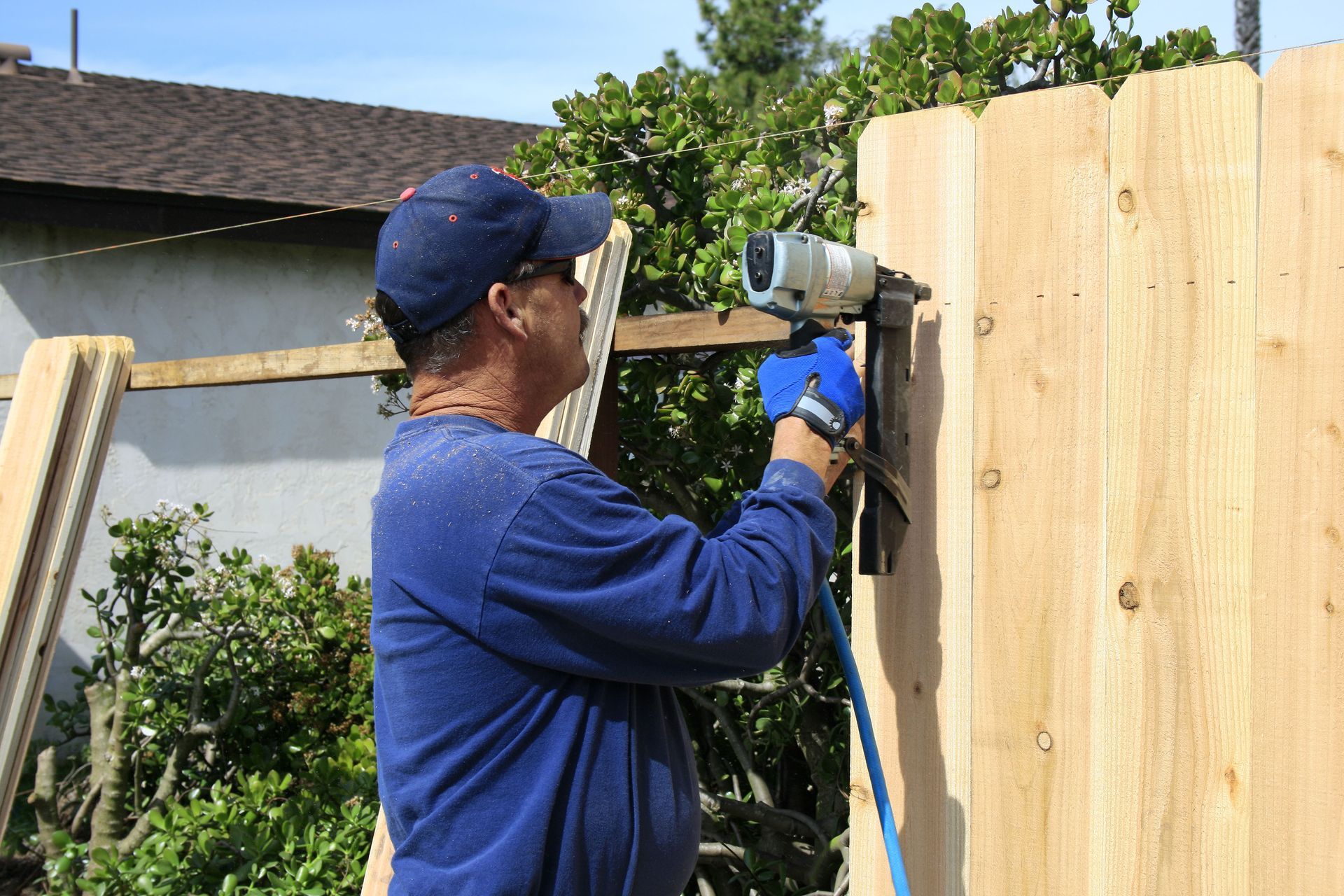
Installation methodologies influence structural rigidity. Digging holes to the appropriate depth prevents leaning during high winds or soil shifts. Mixing concrete in proper proportion ensures solid foundations for every post. Substandard contractors rush the setting process or use dry concrete mixes that fail to cure in a proper manner. Precision during this foundational stage dictates the overall strength of the finished barrier.
Fastening systems hold the entire structure together. Galvanized or stainless steel screws outlast standard nails, which back out of wood as temperatures fluctuate. Hidden brackets provide seamless visual lines while maintaining sheer strength. Attention to these structural details separates a durable barrier from a temporary aesthetic feature. Builders utilizing advanced hardware demonstrate a commitment to creating enduring perimeters.
Reviewing Warranty Provisions and Client Assistance
Post-installation protection offers peace of mind to property owners. Manufacturers provide warranties on materials, covering defects like premature rotting, rusting, or peeling. However, these guarantees become void if the installation process deviates from factory specifications. Standardized construction techniques keep material warranties intact and enforceable. Reading the fine print reveals required maintenance routines necessary to keep coverage active.
Labor warranties address the physical construction work itself. A reputable fence company guarantees its craftsmanship and agrees to repair leaning posts, sagging gates, or loose panels that occur after the project concludes. Ambiguous contracts lack clear terms regarding post-installation fixes. Detailed agreements spell out exact coverage durations and specific remedies. Holding a contractor accountable requires formalized documentation outlining explicit repair obligations.
Customer support responsiveness indicates organizational professionalism. Clear communication channels ensure clients can reach representatives when issues arise. Contractors ignoring phone calls or delaying email responses during the planning phase exhibit similar behavior during emergency repair requests. Dedicated project managers facilitate smooth communication from the initial consultation through final inspection. An accessible administrative team resolves permitting snags and billing inquiries.
Liability insurance and workers' compensation coverage shield homeowners from unexpected financial burdens. Accidents happen on construction sites, including property damage or personal injuries. Contractors carrying comprehensive policies assume full responsibility for these incidents. Verifying active insurance certificates before signing any agreement is a mandatory step in the risk mitigation process.
Comparing Financial Estimates and Payment Structures
Detailed proposals eliminate hidden fees and financial surprises. Vague quotes provide a total sum without breaking down costs for materials, labor, permits, and debris removal. Transparent estimates list every expense, allowing property owners to understand where their funds go. This clarity facilitates accurate comparisons among competing bids, revealing which builder offers the most equitable price for specific tasks.
Evaluating overall value transcends looking at the bottom line. The cheapest fence company cuts corners by utilizing inferior materials, skipping permit processes, or employing inexperienced laborers. Bids falling below market average signal desperation or hidden post-contract charges. Fair pricing aligns with regional averages and reflects the quality of provided materials. Recognizing this distinction saves property owners from future remediation expenses.
Payment schedules reveal the financial health of the contracting business. Demanding full payment upfront signifies cash flow problems or potential scams. Standard industry practices involve a modest initial deposit to secure materials, followed by subsequent payments tied to project milestones. Retaining a portion of the funds ensures the builder completes punch-list items and site cleanup duties before receiving the final balance.
Financing options accommodate diverse budgetary constraints. Many contractors partner with lending institutions to offer flexible payment plans. Such arrangements allow homeowners to afford superior materials without depleting savings accounts. Evaluating the interest rates and terms of these financial products ensures the final cost remains within a manageable range. A builder offering financing demonstrates financial stability and a willingness to facilitate purchasing.
Establishing a secure and attractive boundary requires diligent research and careful vetting of potential contractors. Rushing the selection process leads to subpar construction, ongoing maintenance headaches, and profound regret. Choosing an ideal fence company involves balancing local expertise, material superiority, comprehensive warranties, and transparent pricing. Bypassing any of these considerations invites unnecessary risk into a major home improvement project.
A well-constructed perimeter enhances property value and provides lasting security. By prioritizing qualitative factors over mere cost savings, property owners ensure their investment withstands the test of time and weather. Thorough preparation and critical evaluation empower individuals to make informed decisions, resulting in a beautiful, durable addition to their outdoor living space. The ultimate reward is a permanent, durable structure. When you are ready to upgrade your property boundary, reach out to our team at Metro Fence. We are a reliable fence company prepared to build the ideal enclosure for your home.

Share On: